
NEWS & INSIGHTS
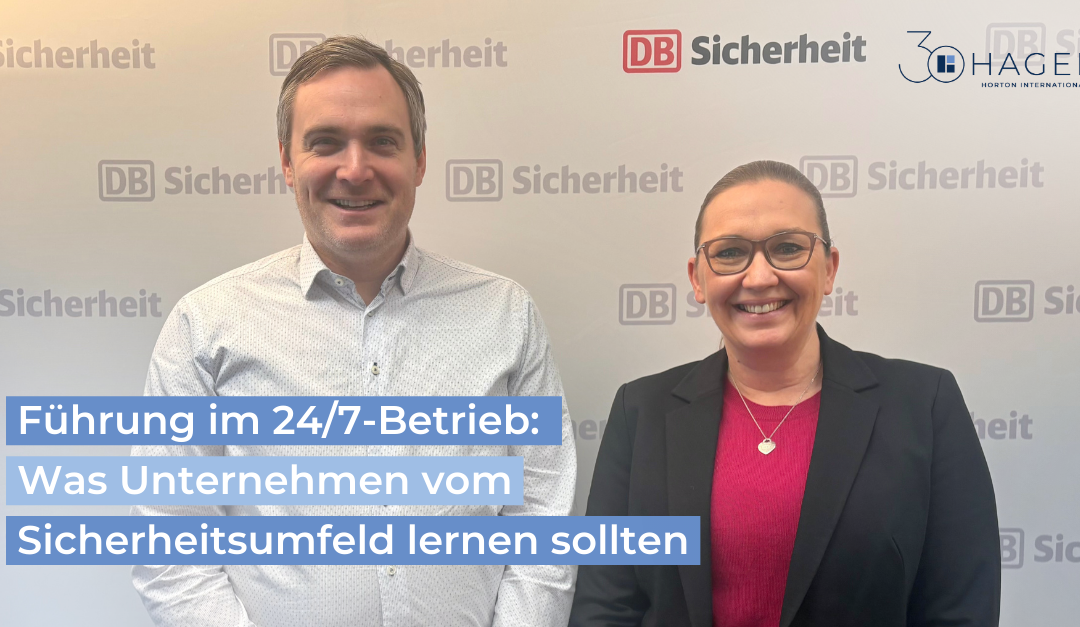
Leadership in 24/7 operations: What companies should learn from the security environment
Organisations operating 24/7 demonstrate that leadership begins where concepts end: with clarity, reliability and the willingness to make decisions in uncertain situations. Those who prioritise training and view technology as a support rather than a replacement create stability in a constantly changing working environment.
You can’t learn AI from the edge of the pool
The disruption caused by technology has never been greater. The way companies deal with artificial intelligence is already a key factor in determining their competitiveness. The willingness to consciously shape technological change rather than just going with the flow, the courage to respond decisively to change, and the ability to embed AI deeply in the operating model are becoming critical success factors for executives and companies.
Translated with DeepL.com (free version)
Karrieren in der Finanzwelt: Vom Bankgeschäft in den Profifußball – und zurück?
Im Gespräch mit HAGER Executive Consulting erzählt Dr. Thomas Ignatzi, wie ihn sein Weg aus dem klassischen Banking bis in den Profifußball geführt hat – und was Führungskräfte in der Finanzwelt daraus lernen können.
Arms boom instead of car crisis? Berlin’s industrial fantasy shattered by reality
Germany’s industry is caught in a downward spiral: car manufacturers in crisis, crumbling supply chains, thousands of jobs hanging in the balance. But there is also this: full order books at arms manufacturers, because billions from new debts taken on by the federal government are ending up here. So can the special arms programme save the industry from further decline?

The Due Diligence Private Equity Still Gets Wrong: Human Capital
Most due diligences can slice the numbers a thousand ways. Markets, models, margins – all dissected surgical precision. But the one factor that decides whether any of it turns into performance — the people expected to deliver — is still often checked last, or lightly, or not at all.
Here’s the quiet contradiction in private equity: Financial DD predicts potential. Human Capital DD predicts reality. And the gap between the two is where value is most often lost.
The due diligence that private equity still underestimates: human capital
In private equity, financial and commercial due diligence primarily analyse potential. However, whether this potential is realised is decided solely by the organisation that is to implement it. Human capital due diligence reveals whether leadership, roles and culture are actually capable of delivering value enhancement plans – or whether this is precisely where the latest and most expensive loss of value occurs.

Japan meets Berlin-Brandenburg
The “Japan meets Berlin-Brandenburg” network demonstrates how active exchange between Germany and Japan functions. In conversation, Anne Pomsel, Marko Gretzschel, and Daniel Norpoth explain how the DJW promotes economic cooperation, cultural understanding, and sustainable relationships. A look behind the scenes of a network that builds bridges where others see boundaries.
Der teuerste Fehler im Private Equity: Digitalisierung wie ein IT-Projekt zu behandeln
Digitalisierung scheitert selten an Technologie – sondern an Führung. Viele Private-Equity-Häuser behandeln digitale Transformation noch immer wie ein IT-Upgrade und übersehen, dass wahre Skalierung aus Entscheidungsfähigkeit, Datenkultur und klarer Führung entsteht. Die teuersten Wertverluste entstehen nicht durch fehlende Tools, sondern durch Organisationen, die zu langsam entscheiden, zu wenig Transparenz zulassen und kulturell nicht bereit sind für echtes digitales Momentum.
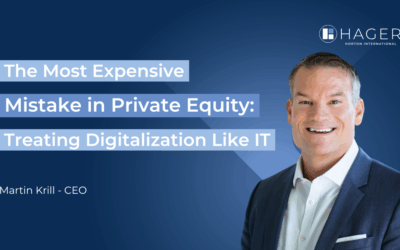
The Most Expensive Mistake in Private Equity: Treating Digitalization Like ITDigitalization & IT
PE firms don’t lose value because technology is missing — they lose value because digitalization is treated like an IT upgrade instead of a leadership discipline. Here’s why digital maturity has become a core valuation factor.
Press contact